
UAE to Introduce Sugar-Based Excise Tax in 2026: What Beverage Manufacturers Need to Know
The UAE’s New Approach to Sugar Taxation
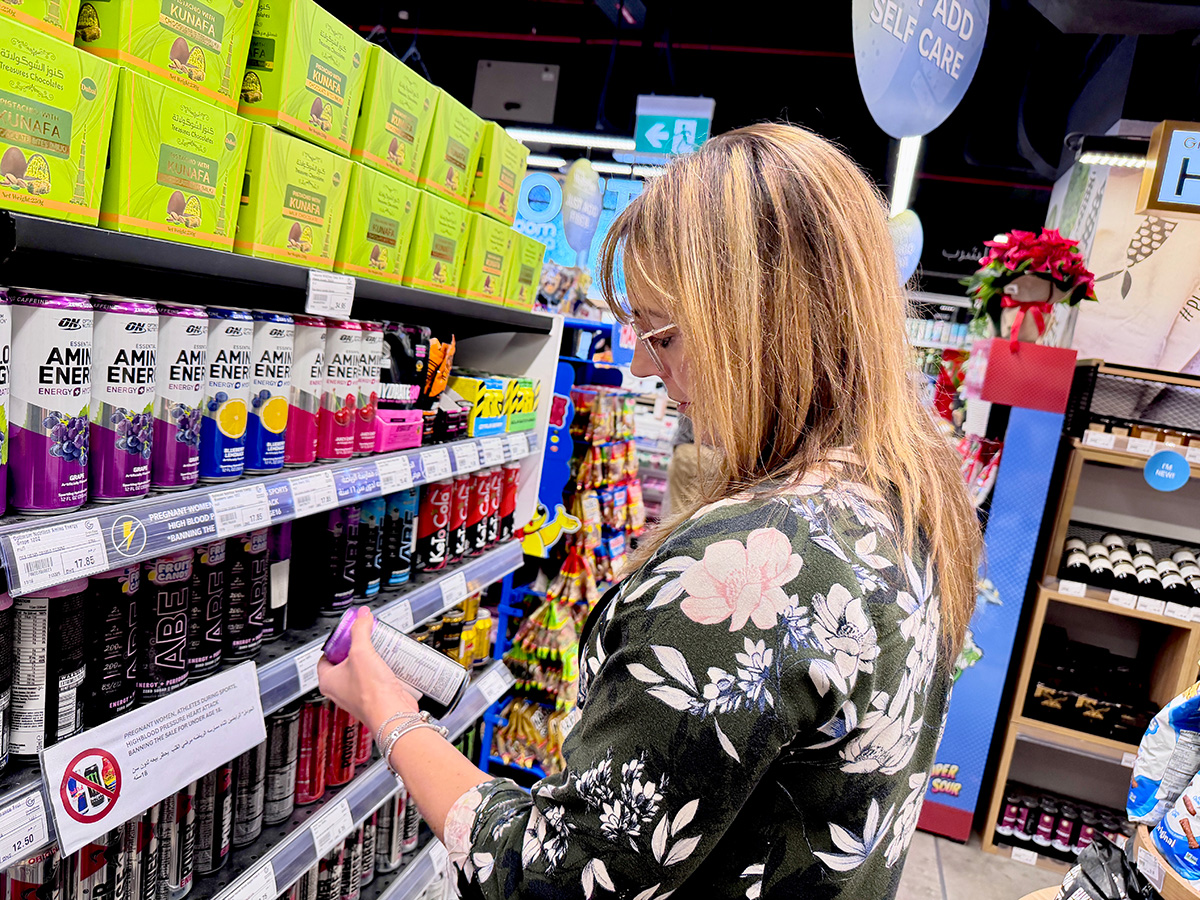
The UAE has now confirmed that a new sugar-based excise tax on sweetened beverages will come into effect from January 2026. This change replaces the current flat-rate excise tax model and introduces a system linked directly to sugar content.
For beverage manufacturers, importers and distributors, this marks a significant regulatory shift that will affect product formulation, pricing, registration and route-to-market planning.
What’s Changed
Until now, sweetened beverages in the UAE have been subject to a flat 50 percent excise tax, regardless of sugar content.
From 1 January 2026, this will be replaced with a tiered volumetric tax, calculated based on the grams of sugar per 100ml in a product. This brings the UAE closer in line with international public health driven sugar tax models.
Less than 5g of sugar per 100ml
No excise tax applied5g to under 8g of sugar per 100ml
Approx. AED 0.79 per litre8g or more of sugar per 100ml
Approx. AED 1.09 per litre
This replaces the blanket 50 percent tax and creates a clear incentive for lower-sugar and reformulated products
Sugar Tax, Current vs 2026 System
Tax Basis
Current system
50% of retail price
New 2026 system
Tax charged per litre, based on sugar content
Categories
Current system
All sweetened beverages
New 2026 system
Low sugar, less than 5g per 100ml
Medium sugar, 5 to 8g per 100ml
High sugar, more than 8g per 100ml
Artificial Sweeteners
Current system
Taxed at 50%
New 2026 system
0% excise where sugar content is below the threshold, subject to registration and product classification
Effective Date
Current system
Ongoing
New 2026 system
1 January 2026
The New System
| Aspect | Current System | New 2026 System |
|---|---|---|
| Tax Basis | 50% of retail price | Tax per litre based on sugar content |
| Categories | All sweetened beverages | Low (<5g/100ml), Medium (5–8g/100ml), High (>8g/100ml) |
| Artificial Sweeteners | Taxed at 50% | 0% excise where sugar content is below threshold, subject to registration and classification |
| Effective Date | Ongoing | 1st January 2026 |
Why the UAE in Making the Change
The new model is part of the UAE’s National Health Strategy 2031, which focus on reducing sugar intake and combating lifestyle-related diseases such as obesity and diabetes.
By introducing a tax structure that rewards lower-sugar formulations, the government aims to:
Encourage manufacturers to reformulate beverages with less sugar
Support consumer awareness around sugar content
Align taxation with health objectives
The message is clear: reduce sugar, reduce tax.
Key Regulatory Changes for Beverage Companies
The new policy affects every part of the beverage supply chain, including manufacturers, importers, and distributors. Businesses will need to take action in the following areas:
1. Laboratory Testing and Certification
All beverages must have verified sugar reports from accredited laboratories. Where certified data is missing or cannot be validated, products may be classified into the highest excise tier by default.
2. Label and Dossier Consistency
Sugar levels must match exactly across Arabic labels, product dossiers, and lab reports. Any inconsistencies can lead to import holds or reclassification.
3. FTA Excise Registration Updates
Companies will need to ensure each SKU is updated within the FTA Excise Goods Portal with revised sugar data ahead of the new law taking effect.
4. ERP and Pricing Adjustments
Finance teams should start adapting internal systems now to calculate excise per litre rather than as a percentage of retail price.
What Brands / Manufacturers Should Do
Map all product SKUs currently imported, registered or planned for the UAE market.
Confirm laboratory testing is complete using accredited laboratories, ensuring verified sugar content is available for all relevant SKUs.
Review labels and ingredients for accuracy and compliance.
Evaluate reformulation opportunities, reducing sugar by as little as 1–2g per 100ml can move products into a lower excise tier and materially impact landed cost and retail pricing.
Update internal teams and systems to support per-litre excise calculations, revised pricing models and ongoing FTA excise reporting.
The sugar-based excise system is now confirmed and will significantly impact soft drinks, flavoured beverages, and manufacturers of syrups and concentrates. Private-label brand owners relying on third-party manufacturing, alongside importers, distributors and retailers managing reformulated products, must ensure registrations, pricing and documentation are aligned. Brands that act promptly to validate sugar data, align labelling and update excise submissions will be best placed to remain compliant, protect margins and avoid operational disruption.
Navigating the 2026 Sugar-Based Excise Framework
If you would like to understand how the tiered sugar-based excise tax now applies to your product range, and how to manage compliance, pricing and reformulation opportunities in the UAE, you can book a call with us to discuss your options.
Book a free 15-minute consultation to discuss your product portfolio and plan your next steps.