
How 2026 Food Trends Are Reshaping the Gulf Market
Food trends are often presented as short-lived moments, ingredients that spike, flavours that fade, formats that cycle. But when you step back and look at the data shaping retail decisions across the Middle, a much bigger story emerges.
The most important shift is not what consumers are eating, but how and why they are choosing food.
Insights drawn from our time spent in market, including ongoing conversations with buyers and distributor partners across the Gulf, point to a consumer who is more intentional, more informed and far less willing to compromise than even a few years ago. This change in mindset is reshaping shelves, accelerating certain categories and quietly redefining what success looks like for brands and retailers alike.
From impulse to intention
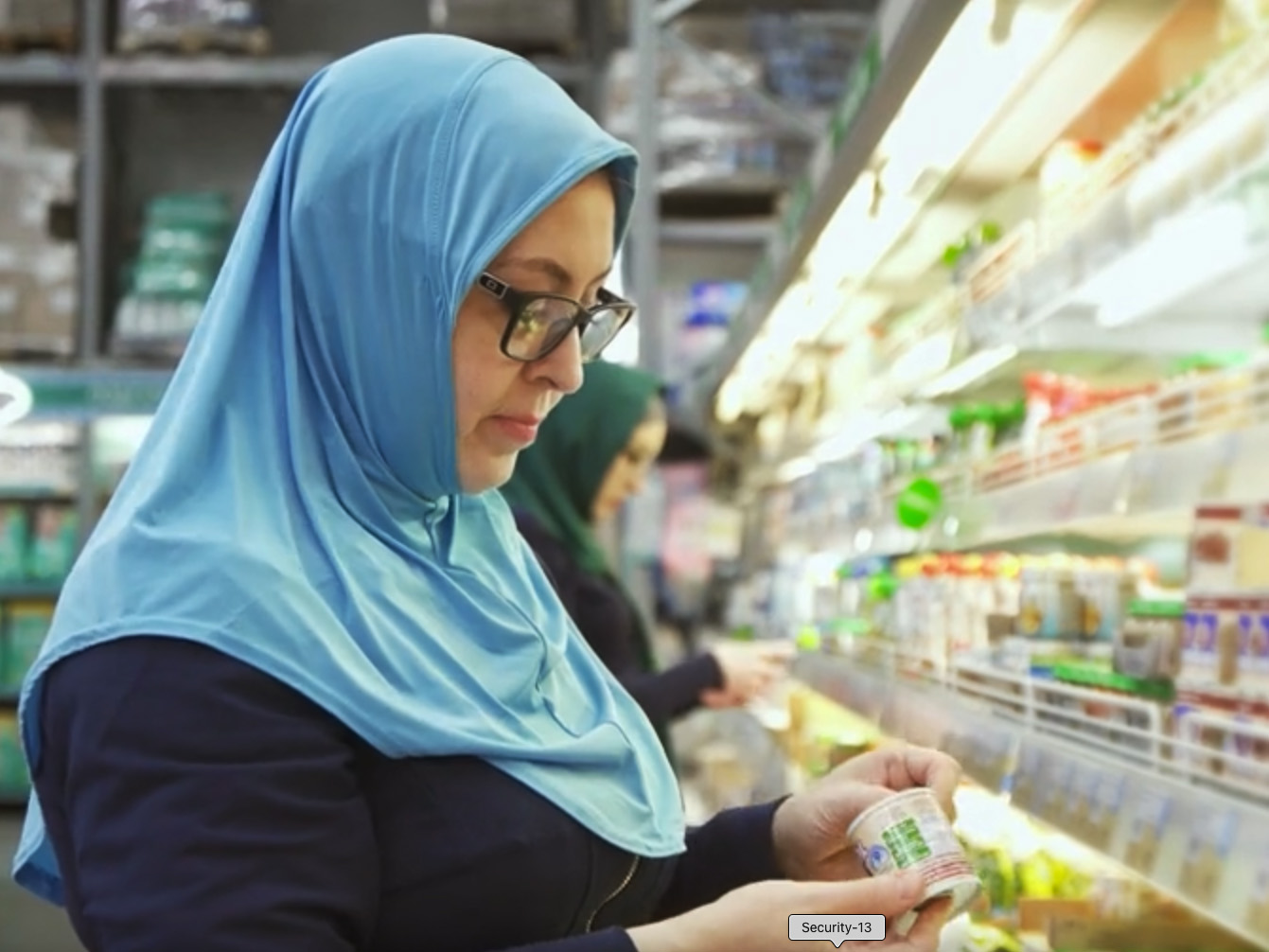
One of the clearest signals across Gulf retail heading into 2026 is the move away from reactive, impulse-led food choices towards deliberate decision-making.
Consumers in markets like the UAE and Saudi Arabia are still looking for enjoyment and indulgence, but increasingly within boundaries they understand and control. Protein, fibre, hydration, gut health and functional benefits are no longer niche concepts. They are becoming part of everyday language, and more importantly, everyday purchasing behaviour.
This is reflected in strong year-on-year growth across protein-led categories, from ready meals and snacks to yoghurt, bars and chilled formats. In some cases, individual product lines are seeing triple-digit growth, indicating not just trend adoption but habit formation.
Food is no longer simply fuel or pleasure. It is becoming a tool, used to support energy, focus, digestion, sleep, weight management and long-term health.
Convenience is evolving
Despite rising interest in whole foods and unprocessed ingredients, convenience remains critical. The difference is that convenience is being redefined.
Rather than shortcuts at the expense of quality, Gulf shoppers are seeking convenience products that save time without sacrificing nutrition or health benefits. This has driven strong performance in:
Healthy on-the-go snacking
Functional beverages
Ready to cook proteins and ready meal components
Pre-portioned meals designed for speed and control
Air-fryer friendly formats
The success of these products categories is not about speed alone, but about helping consumers make “good” choices easier.
In effect, convenience is shifting from indulgent to intentional.
The rise of functional everyday food
Functional food used to sit at the edges of the store. In 2026, it is moving firmly into the mainstream.
Hydration is a standout example. Once dominated by basic sports drinks, the category is now expanding rapidly into electrolyte blends, collagen-infused beverages, probiotic drinks and vitamin-enhanced waters. Within health and wellness aisles, hydration-related products have delivered strong digit growth, driven by consumers seeking benefits that go beyond refreshment.
This evolution is also being shaped by regulatory change, with sugar reduction and reformulation playing a growing role in how hydration products are developed and positioned across the region. Find out more about the UAE sugar-based excise tax here
The same pattern appears in fibre-forward foods, digestive health products and protein-rich staples. Overnight oats, for example, have seen explosive growth in recent years, transforming a traditional breakfast item into a functional, lifestyle-led choice.
What matters here is not the ingredient itself, but the clear benefit it delivers. Shoppers are increasingly scanning labels for purpose, not just price.
Personalisation replaces one-size-fits-all
Another defining shift is the fragmentation of the consumer.
Rather than broad dietary tribes, such as vegan or keto, 2026 is shaped by personalised eating. Shoppers are adapting food choices to their own life stage, health goals and daily rhythms.
This includes:
Parents seeking mood, focus and gut-health benefits for children
Older consumers prioritising muscle retention, bone health and longevity
Women looking for products that support hormonal health, digestion and sleep
Men engaging more actively with nutrition, supplements and performance-led food
Food is increasingly selected based on when it is eaten, not just what it contains. Concepts such as circadian eating, mini meals, portion control and functional snacking are influencing how ranges are built and how products are positioned.
For brands and retailers, this means fewer mass messages and more targeted relevance.
Trust and transparancy
Alongside functional performance, trust is becoming a non-negotiable.
Consumers are scrutinising ingredient lists, questioning processing methods and paying closer attention to sourcing. This has contributed to renewed growth in organic, responsibly sourced and minimally processed products, particularly where brands can clearly communicate provenance and values.
In several fresh and organic categories, year-on-year growth is outpacing conventional equivalents, with shoppers willing to pay a premium when quality, ethics and transparency are clearly demonstrated.
Interestingly, this shift does not exclude indulgence. Instead, indulgence is being reframed. Chocolate, desserts and comfort foods continue to perform well, particularly when paired with authenticity, craftsmanship or a sense of regional identity.
What this means for food retail in 2026
Taken together, these signals point to a consumer who is not chasing novelty, but seeking alignment.
Alignment with their health goals
Alignment with their values
Alignment with how they live, work and eat day to day
For retailers, this means range decisions are increasingly guided by behaviour, not hype. For brands, success depends on clarity of purpose, strong fundamentals and the ability to solve real problems for shoppers.
As we move into 2026, the winners will not be those who follow trends the fastest, but those who understand why those trends exist in the first place.
Working with export-ready brands
Bolst Global works with a curated portfolio of export-ready food, drink and wellness brands, supporting their market development and buyer engagement across the Gulf region. We are selective about the brands we work with and assess suitability based on product positioning, compliance, scalability and commercial readiness.
If you are considering expansion into the Middle East and would like to explore whether there is a strategic fit, get in touch to arrange an initial consultation.